The Midnight Special
This innovative history explores the rich tradition of music behind bars and shows how policing and prisons have shaped our musical culture from blues to hip-hop.
In American popular music, we often glorify rebellious artists and “outlaws.” But in The Midnight Special, Colin Asher tells a deeper story about the criminal justice system’s impact on our musicians, explored through compelling portraits of five artists whose careers span the twentieth century.
Opening with folk and blues artist Huddie “Lead Belly” Ledbetter, who was made to perform wearing prison clothes, Asher traces the intertwined histories of music and incarceration, from Southern prison farms of the Jim Crow era, through the heroin-driven mid-century drug wars that villainized a generation of jazz artists, and to our present era of mass incarceration.
Asher shows how the suggestion of criminality has often benefited white artists, while prosecutions often hurt Black musicians. Comparing the divergent trajectories of jazz pianist Elmo Hope with country singer Johnny Cash, Asher examines how violent and discriminatory policing stifled Hope’s career and led to the creation of his album Sounds from Rikers Island (1963), while forgiveness and lenience brought us Cash’s masterpiece At San Quentin (1969).
With keen musical analysis and sociological insight, The Midnight Special examines key themes in culture and criminal justice, from the movement for prison reform that allowed soul musician Ike White to stage thrilling concerts while locked up and record his album Changin’ Times (1977), to the crushing cultural weight of mass incarceration a generation later. Closing with Tupac Shakur’s Me Against the World (1995) and stories of music in prisons today, The Midnight Special recounts how prisons occasionally incubate talent but more often shorten careers and distort the public’s perception of musicians and their value to society.
An urgent book about the ways music can affirm an individual’s sense of humanity in dehumanizing circumstances, The Midnight Special writes the history of prisons into American music—a story as important as it is overlooked.
"Asher creates rich, vivid portraits of all five of his subjects … He discusses at length these artists’ morally ambiguous songs about murderers and convicts, written with a touch of grace and a recognition of shared humanity. This chronicle is full of little epiphanies … A well-written and mesmerizing group portrait of five musical outlaws."—Booklist (starred review)
Product Information
Product Information
Shipping & Returns
Shipping & Returns
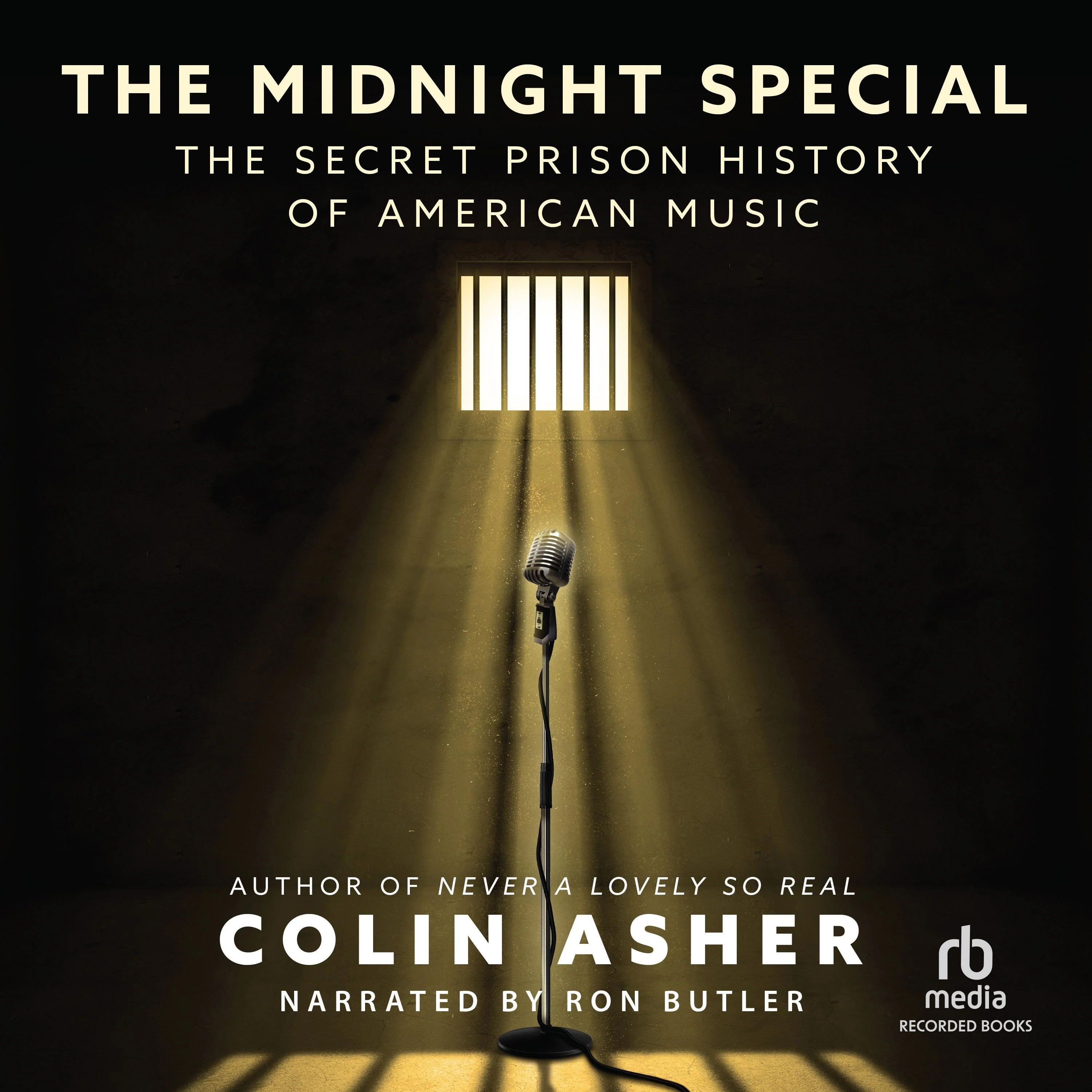
The Midnight Special
The Midnight Special
This innovative history explores the rich tradition of music behind bars and shows how policing and prisons have shaped our musical culture from blues to hip-hop.
In American popular music, we often glorify rebellious artists and “outlaws.” But in The Midnight Special, Colin Asher tells a deeper story about the criminal justice system’s impact on our musicians, explored through compelling portraits of five artists whose careers span the twentieth century.
Opening with folk and blues artist Huddie “Lead Belly” Ledbetter, who was made to perform wearing prison clothes, Asher traces the intertwined histories of music and incarceration, from Southern prison farms of the Jim Crow era, through the heroin-driven mid-century drug wars that villainized a generation of jazz artists, and to our present era of mass incarceration.
Asher shows how the suggestion of criminality has often benefited white artists, while prosecutions often hurt Black musicians. Comparing the divergent trajectories of jazz pianist Elmo Hope with country singer Johnny Cash, Asher examines how violent and discriminatory policing stifled Hope’s career and led to the creation of his album Sounds from Rikers Island (1963), while forgiveness and lenience brought us Cash’s masterpiece At San Quentin (1969).
With keen musical analysis and sociological insight, The Midnight Special examines key themes in culture and criminal justice, from the movement for prison reform that allowed soul musician Ike White to stage thrilling concerts while locked up and record his album Changin’ Times (1977), to the crushing cultural weight of mass incarceration a generation later. Closing with Tupac Shakur’s Me Against the World (1995) and stories of music in prisons today, The Midnight Special recounts how prisons occasionally incubate talent but more often shorten careers and distort the public’s perception of musicians and their value to society.
An urgent book about the ways music can affirm an individual’s sense of humanity in dehumanizing circumstances, The Midnight Special writes the history of prisons into American music—a story as important as it is overlooked.
"Asher creates rich, vivid portraits of all five of his subjects … He discusses at length these artists’ morally ambiguous songs about murderers and convicts, written with a touch of grace and a recognition of shared humanity. This chronicle is full of little epiphanies … A well-written and mesmerizing group portrait of five musical outlaws."—Booklist (starred review)
Product Information
Product Information
Shipping & Returns
Shipping & Returns
Description
This innovative history explores the rich tradition of music behind bars and shows how policing and prisons have shaped our musical culture from blues to hip-hop.
In American popular music, we often glorify rebellious artists and “outlaws.” But in The Midnight Special, Colin Asher tells a deeper story about the criminal justice system’s impact on our musicians, explored through compelling portraits of five artists whose careers span the twentieth century.
Opening with folk and blues artist Huddie “Lead Belly” Ledbetter, who was made to perform wearing prison clothes, Asher traces the intertwined histories of music and incarceration, from Southern prison farms of the Jim Crow era, through the heroin-driven mid-century drug wars that villainized a generation of jazz artists, and to our present era of mass incarceration.
Asher shows how the suggestion of criminality has often benefited white artists, while prosecutions often hurt Black musicians. Comparing the divergent trajectories of jazz pianist Elmo Hope with country singer Johnny Cash, Asher examines how violent and discriminatory policing stifled Hope’s career and led to the creation of his album Sounds from Rikers Island (1963), while forgiveness and lenience brought us Cash’s masterpiece At San Quentin (1969).
With keen musical analysis and sociological insight, The Midnight Special examines key themes in culture and criminal justice, from the movement for prison reform that allowed soul musician Ike White to stage thrilling concerts while locked up and record his album Changin’ Times (1977), to the crushing cultural weight of mass incarceration a generation later. Closing with Tupac Shakur’s Me Against the World (1995) and stories of music in prisons today, The Midnight Special recounts how prisons occasionally incubate talent but more often shorten careers and distort the public’s perception of musicians and their value to society.
An urgent book about the ways music can affirm an individual’s sense of humanity in dehumanizing circumstances, The Midnight Special writes the history of prisons into American music—a story as important as it is overlooked.
"Asher creates rich, vivid portraits of all five of his subjects … He discusses at length these artists’ morally ambiguous songs about murderers and convicts, written with a touch of grace and a recognition of shared humanity. This chronicle is full of little epiphanies … A well-written and mesmerizing group portrait of five musical outlaws."—Booklist (starred review)